
































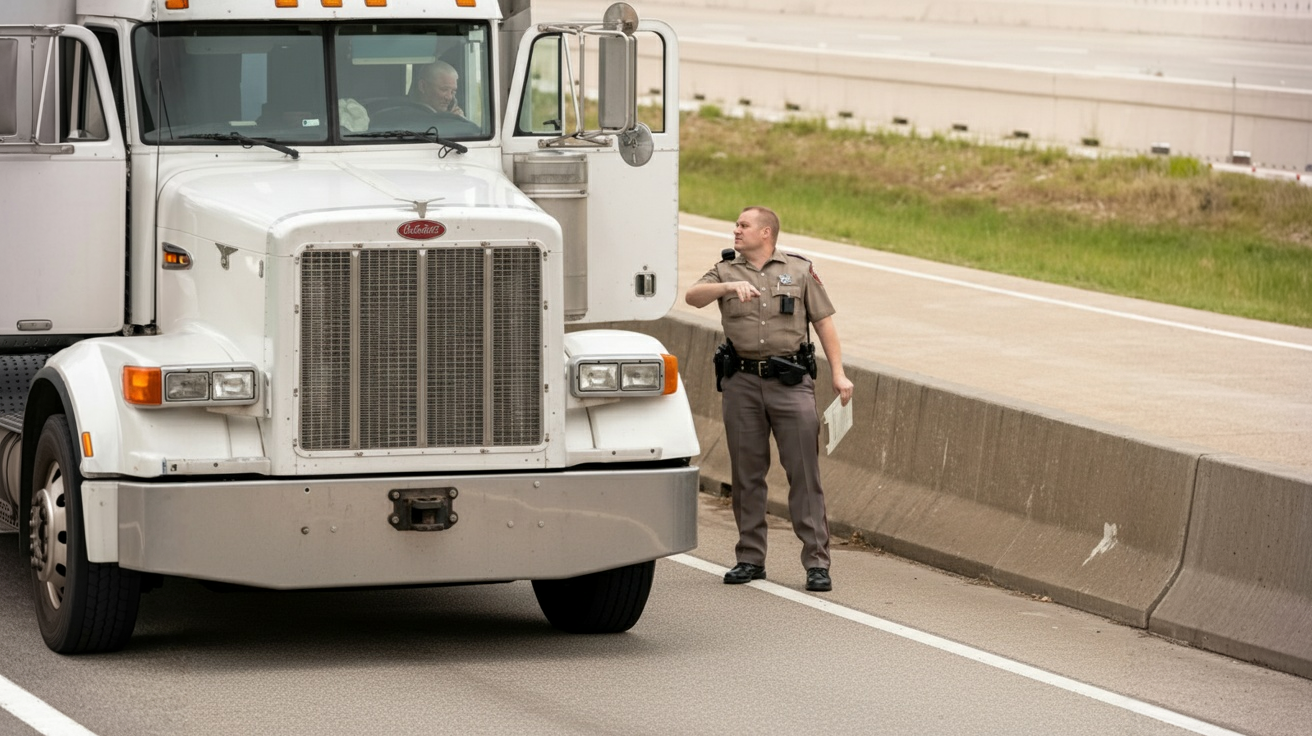
New CDL Regulations Impacting Migrants in the U.S.
Starting today, a new regulation from the Donald Trump administration takes effect, imposing restrictions on the issuance of commercial driver’s licenses (CDL) for specific groups of migrants in the United States. Federal estimates suggest that this change could affect approximately 200,000 drivers in the freight industry.
Key Changes to CDL Eligibility
Under the new rules:
- Asylum seekers, refugees, and Deferred Action for Childhood Arrivals (DACA) participants will be unable to obtain or renew commercial driver’s licenses.
- Existing licenses will not be immediately revoked; however, drivers will lose their work rights as their documents expire.
According to the Federal Motor Carrier Safety Administration, foreign drivers represent around 5% of all CDL holders in the U.S. Trucks are responsible for transporting over 70% of goods nationwide, including food items, construction supplies, and industrial machinery.
Case Study: Alexey Semenovskiy
Affected by these new regulations is 41-year-old Alexey Semenovskiy from Pennsylvania, a Russian asylum seeker who has been working as a truck driver since 2020 and operates a small transportation business.
- Semenovskiy boasts a clean work record with no accidents or violations.
- He pays taxes and has taken out a loan of about $200,000 to purchase a truck and trailer for nationwide transport.
- His license is due to expire in September, and without a change in rules, he will lose his ability to work.
“I built this business from scratch and planned to continue my work. This will be devastating for my family,” Semenovskiy stated.
Administration’s Justification
The administration argues that these restrictions are necessary to enhance road safety, as authorities often struggle to verify the driving histories of certain foreign drivers.
Criticism of the New Regulations
Critics contend that there is no evidence linking migrants to increased accident rates. They warn that reducing the number of drivers could culminate in heightened transportation costs, ultimately raising prices for American consumers.
For more information, visit the Chicago24online news source.